

- Home
- Product Details
Product Details
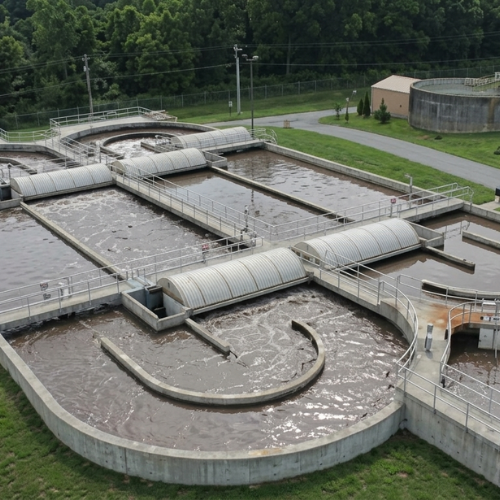
Biological Treatment Plants
| Product Details |
|---|
A Biological Treatment Plant is an advanced wastewater treatment system that utilizes natural biological processes to break down organic matter, pollutants, and nutrients in sewage or industrial effluents. These plants rely on microorganisms (bacteria, fungi, protozoa) to degrade and stabilize organic waste, making the treated water safe for discharge or reuse. |
Description
A Biological Treatment Plant (BTP) is a wastewater treatment system that uses microorganisms such as bacteria, fungi, and other microbes to break down and remove organic pollutants from wastewater. These plants are widely used in municipal sewage treatment, industrial wastewater treatment, food processing industries, pharmaceutical industries, and other sectors where wastewater contains biodegradable organic matter. Biological treatment is considered one of the most effective and environmentally friendly methods of wastewater purification because it relies on natural biological processes.
The main purpose of a Biological Treatment Plant is to reduce pollutants such as dissolved organic matter, suspended solids, Biological Oxygen Demand (BOD), and Chemical Oxygen Demand (COD) from wastewater before it is discharged into rivers, lakes, or reused for industrial and agricultural purposes. If untreated wastewater is released directly into the environment, it can cause water pollution, harm aquatic life, spread diseases, and create unpleasant odors. Biological treatment plants help prevent these environmental and health problems.
The treatment process in a Biological Treatment Plant generally begins with preliminary treatment, where large solids, grit, oil, grease, and debris are removed through screens and grit chambers. This protects the biological treatment units from clogging and damage. After preliminary treatment, wastewater enters an equalization tank where the flow and pollutant concentration are balanced.